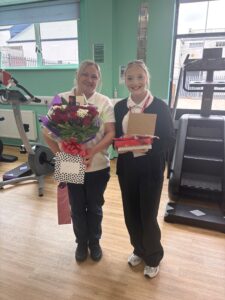
Skills for Care has released a new Practical Approach toolkit celebrating the work of North East Lincolnshire Health and Care Partnership (NEL HCP) and its People and Skills Pledge – hosted by Employability Services at Care Plus Group, a coordinated, partnership‑led approach that connects local care employers with education, recruitment, and training partners.
The toolkit spotlights how NEL HCP created a clearer, more joined‑up pathway for employers and jobseekers, strengthening recruitment, improving access to development opportunities and building a more resilient local health and social care workforce.
Sharon Stead, Employability Services and People and Skills Pledge Lead at Care Plus Group, said:
“As Programme Lead for the People and Skills Pledge, I am proud to see our work featured within Skills for Care’s Practical Approach Toolkit. This recognition reflects the strength of our collaborative approach and the shared ambition across North East Lincolnshire to build a more resilient and sustainable health and social care workforce.
Through strong partnership working, we have brought together employers, education providers and system partners to create a more joined-up and responsive model. This has enabled us to simplify pathways into employment, enhance access to skills and training, and better support individuals to progress within their careers.
By sharing our approach and the learning gained through this toolkit, we aim to support not only local areas but also contribute to national learning across the health and care sector. We hope this will enable other systems to develop place-based solutions, learn from our experience, and strengthen workforce development across their own regions”.
Each toolkit offers an in‑depth exploration of approaches that have already delivered results across England. Rather than presenting high‑level case studies, the toolkits break down how successful models were designed, implemented, and embedded over time, giving organisations the practical detail needed to adapt these approaches within their own local context.
Reflecting on why Skills for Care chose to feature this work, Alexander Haswell, Central Engagement, Skills for Care, said:
“NEL HCP has demonstrated what a coordinated, place‑based approach can achieve when partners come together around a shared purpose. By creating a single point of access for recruitment, training and future talent, they’ve made the system simpler, fairer and more accessible for employers and applicants alike.”
Alexander highlighted that the model succeeds because it reflects real local need and brings the right partners around the table:
“What impressed us most is how deeply rooted this approach is in the community. NEL HCP took time to listen to employers, training providers, schools and community partners. The result is a model that genuinely responds to what the local workforce needs, rather than offering one-size-fits‑all solutions.”
The Practical Approach Toolkit outlines how the People and Skills Pledge was developed as part of Humber and North Yorkshire ICB’s workforce transformation programme, offering a single contact point that links employers to work‑based learning, funded training, apprenticeships, jobseekers and wider upskilling opportunities.
Alexander noted that this structured, partnership‑based approach offers valuable learning for other areas:
“The Pledge shows the power of making things easier – easier for employers to get support, easier for jobseekers to access opportunities, and easier for partners to work together rather than duplicating effort. It’s a practical model that many areas could adapt.”
He added that the model’s early impact demonstrates its potential for long‑term system benefit:
“The fact that the pilot exceeded its targets so convincingly tells us how significant the need was, and how impactful the response has been. This toolkit captures those lessons so others can build on NEL HCP’s success.”
Early users described this toolkit as clear, logical, and highly accessible, praising the way it walks readers through the full journey from challenge to solution. They found it practical, well‑structured, and rich in real‑world insight, highlighting its honesty, strong narrative flow and comprehensive coverage of what effective partnership‑led workforce development looks like. Several noted they were already sharing it with colleagues, describing it as a valuable, credible resource that prompts ideas and inspires conversations about local application.
Why this matters
NEL HCP’s Practical approach toolkit demonstrates that:
- a single, coordinated point of contact helps employers navigate recruitment and development more easily
- strong partnerships between care providers, education, VCSE organisations and health partners build clearer local career pathways
- Well‑designed preparation, placements and training support improve retention and candidate readiness
- mapping existing provision reduces duplication and strengthens system efficiency
- support with funding access (e.g., apprenticeships, levy transfers, LDSS) unlocks opportunities many employers would otherwise miss
- consistent standards and structured workforce needs assessments improve outcomes for participants and employers
The toolkit offers a practical, adaptable model for any area seeking to strengthen local recruitment, grow its care workforce and develop connected, future‑ready pathways into health and social care careers.
Quote from Tristram Gardner, Deputy CEO, Skills for Care:
“Skills for Care’s Practical approaches toolkits give organisations a clear understanding of how successful workforce models have been developed and embedded. By setting out practical steps and tested methods, they offer a useful resource for anyone looking to strengthen their workforce and improve outcomes for people who draw on care and support. Together, the toolkits provide evidence‑informed learning to help organisations build capability, boost retention and enhance care quality across adult social care. We sincerely thank all the organisations that contributed by sharing their success stories.”